1942-43
World War II. Canadian Wilderness.
In 8 months, 10,607 U.S. soldiers built a road 1,522 miles long.
3,695 of these soldiers were Black men.
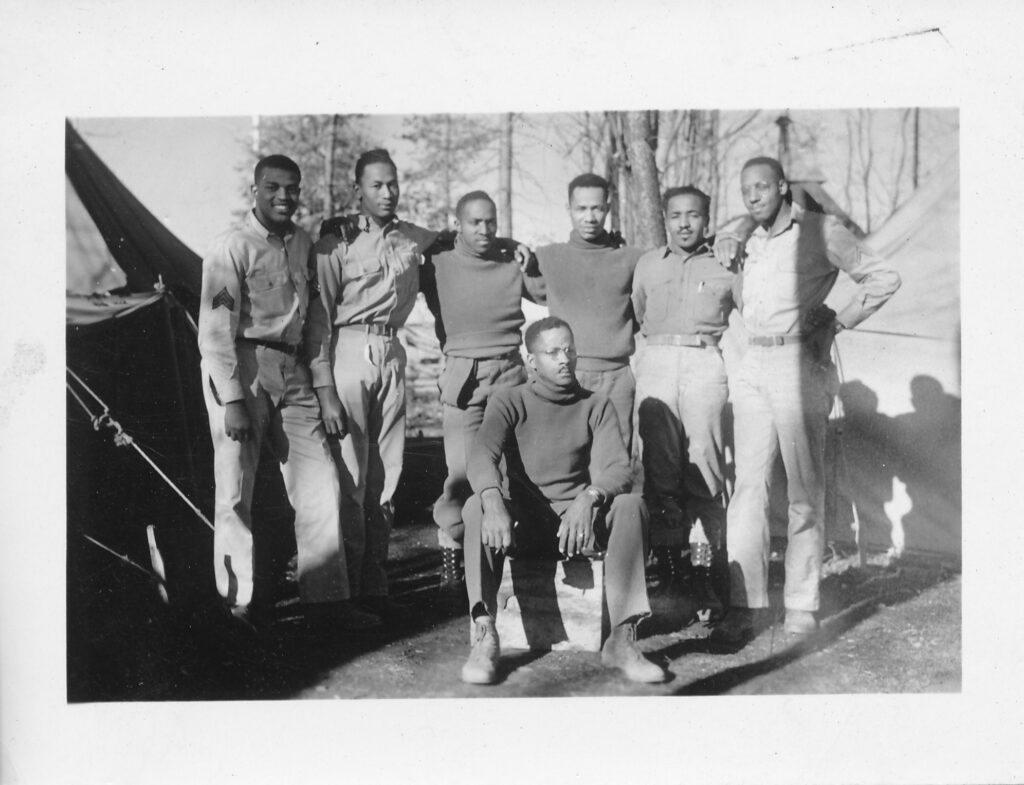
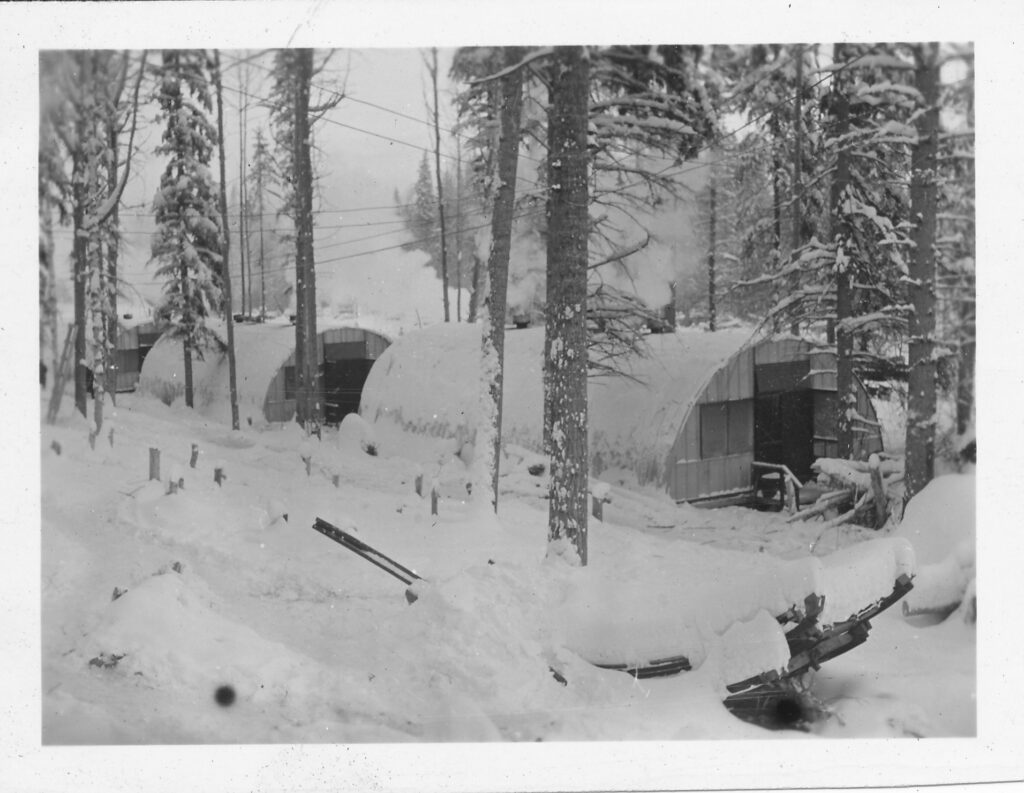
Overlooked history.
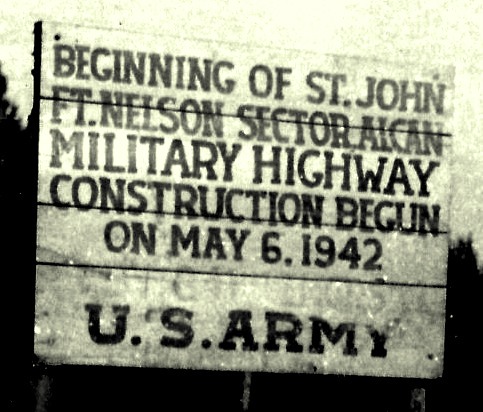
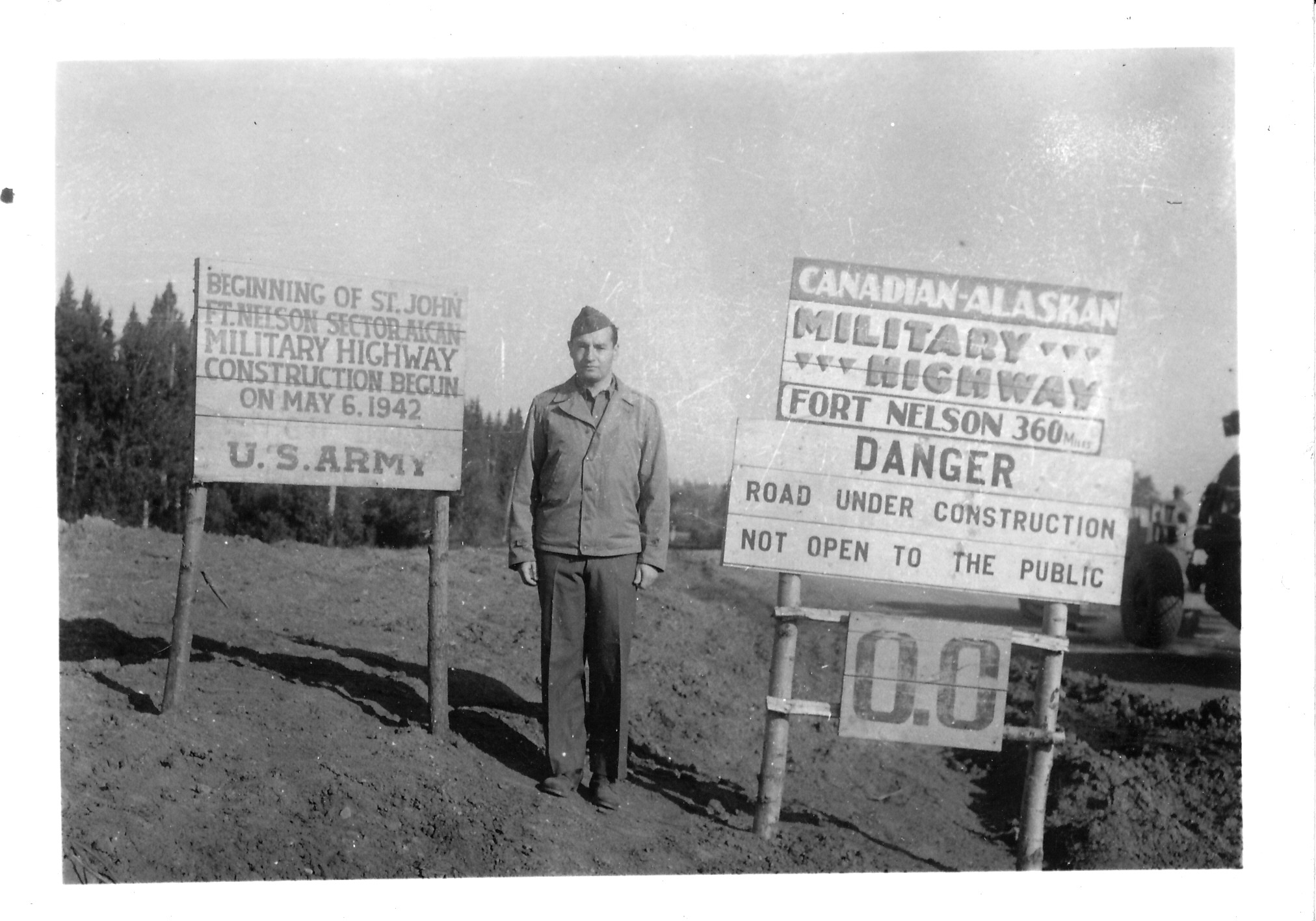
US military policy during World War II decreed that Blacks would not be sent to northern climes for active duty, but after the Japanese attacked Pearl Harbor the need for an inland route to Alaska appeared vital. Manpower was scarce, and segregated troops were shipped north under the leadership of white officers despite protest from the U.S. Army commander in Alaska, Gen. Simon Bolivar Buckner, son of a Confederate general, whose negative attitude toward Blacks was legendary. The construction of the 1,522 mile long road from Dawson Creek, British Colombia, to Fairbanks, Alaska through rugged, unmapped wilderness was heralded as a near impossible engineering feat. Many likened it to the building of the Panama Canal. There was much praise for soldiers who pushed it through in just eight months and twelve days. However, Black regiments were seldom mentioned in publicity releases, despite the fact that they numbered 3,695 in troop strength out of 10,670.
———–
According to the testimony of their commanders, these men did an exceptional job under duress. Ill housed, often living in tents and with insufficient clothing and fed monotonous food, they worked 20 hour days through a punishing environment. Winter temperatures hovered at 40-below-zero for weeks at a time. A new record low of -79 was established. The majority of these troops were from the South — yet, they persevered. On the highway’s completion, many were decorated for their efforts and then sent off to additional duty in Europe and the South Pacific. The Black veterans of the Army’s Corps of Engineers were members of the 93rd, 95th, 97th and 388th regiments.
———
Due to the fine showing of these Black troops, among others, the U.S. military integrated all units during the Korean Conflict, becoming the first government agency in the United States to do so.
———
After the military established the initial route, US and Canadian civilian contractors were hired to widen and improve the Pioneer Road. That work still continues to this day.
———-
The road, originally called the Alaskan-Canadian Highway quickly adopted the shortened name Alcan Highway. Today, the road, known as the Alaska Highway, still provides the only land route to Alaska.
Contact Us
Saint Paul, Minnesota
alcan@epis.net
(612) 868-55785